Reading Apps That Hold Reluctant and Restless Readers Through Adaptive Engagement Rather Than Fixed Lesson Sequences
Adaptive apps adjust in real time to where each child struggles, rather than forcing a preset path.
Theo Kasprzak
12 stories
Adaptive apps adjust in real time to where each child struggles, rather than forcing a preset path.
Early phonics instruction can close reading gaps before they widen.
Gifted children with dyslexia often hide both traits from teachers.
Use the RTI framework to choose apps that match your child's level of instructional need.
Both decoding and language comprehension matter equally to reading success.
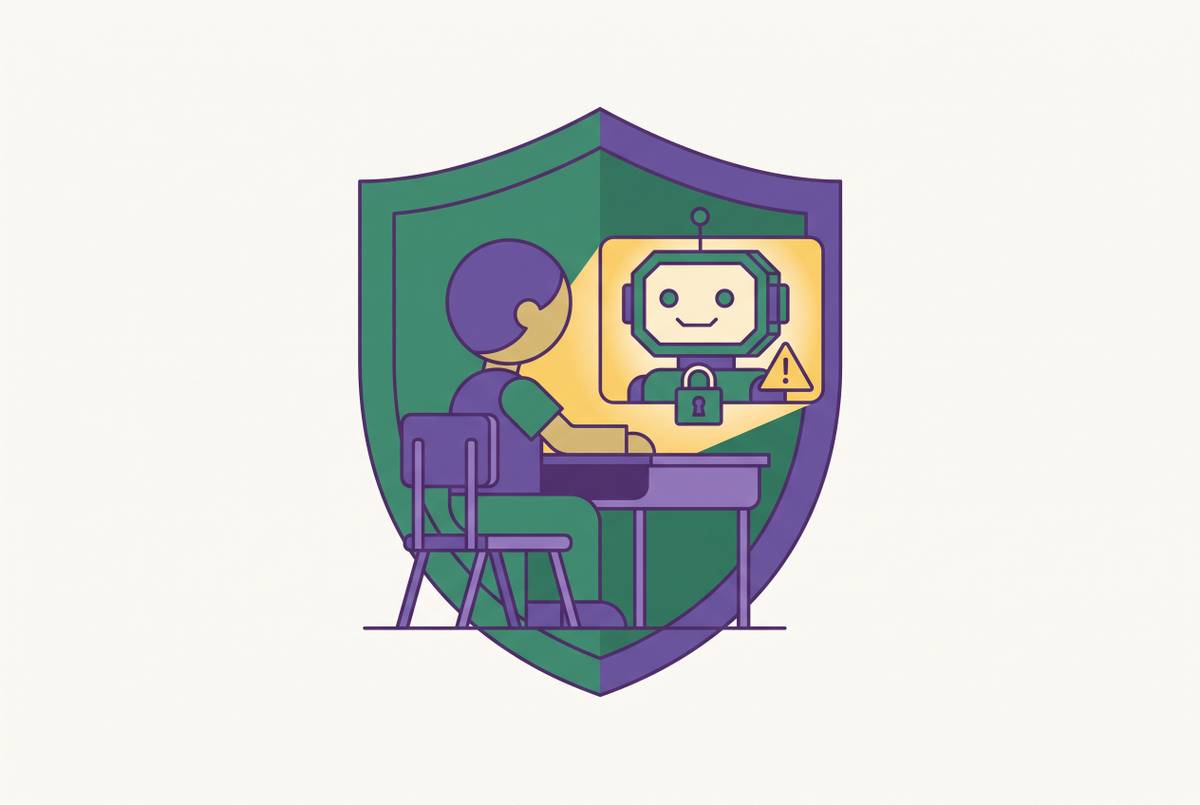
Schools can't protect children's data if they don't know what apps collect.
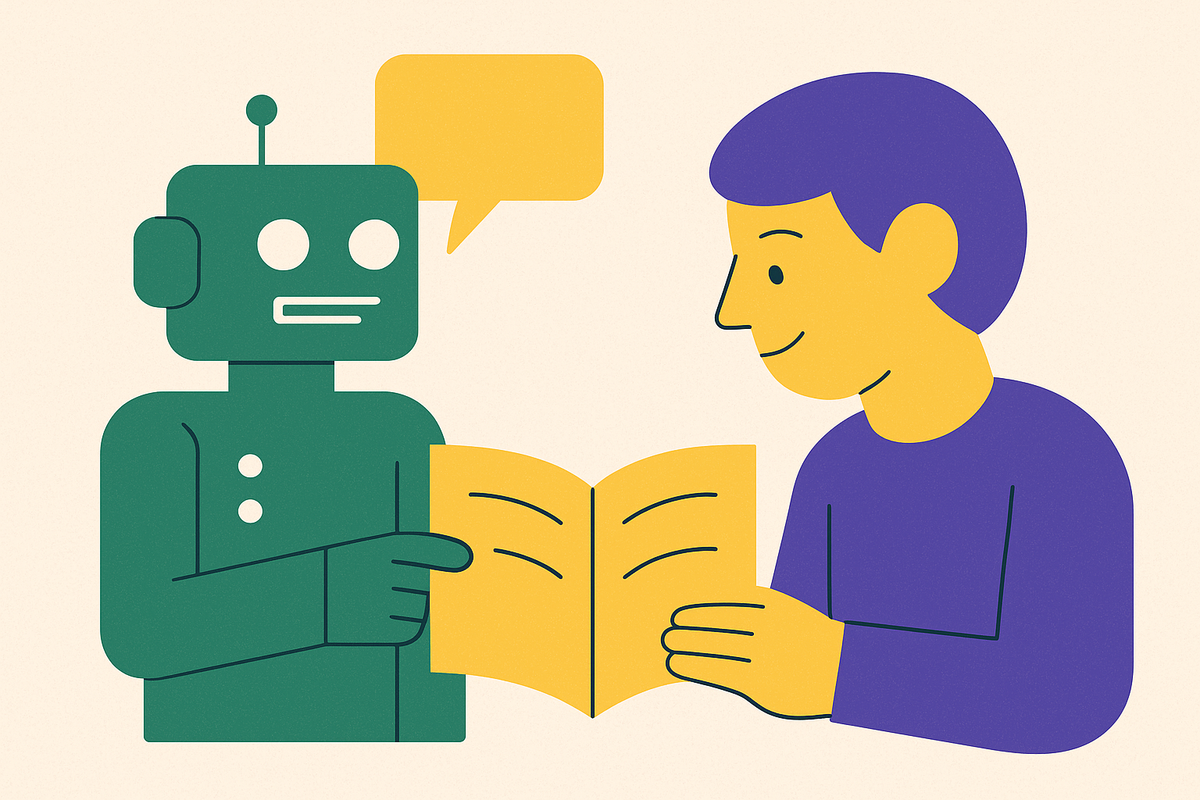
Research shows AI tutors work best paired with human support to keep struggling readers engaged.
Voiceprints and hidden data collection expose a legal gap in classroom AI tools.
Babies' ability to imagine hidden objects seeds the mental skills needed for math years later.
Understand how early reading fluency benchmarks actually work and when to act on them.
Teaching the six components of reading explicitly, systematically, and from the start works.
Early language and sound awareness struggles, not letter reversals, signal potential dyslexia.