Phonics Decoding Apps That Build the Sounds-to-Print Bridge for Kids With Language-Based Learning Disabilities
Three evidence-based apps teach the sound-to-print connection kids with dyslexia need most.
Delia Vásquez-Trujillo
Section
10 stories in Learning Differences.
Three evidence-based apps teach the sound-to-print connection kids with dyslexia need most.
Adaptive apps adjust in real time to where each child struggles, rather than forcing a preset path.
Dyslexic children learn to read when apps teach phonics directly instead of rewarding guessing.
Autistic children often decode fluently but struggle to understand what they read.
Early phonics instruction can close reading gaps before they widen.
Matching accommodations to the specific reading skill a child is stuck on matters most in K–2.
Gifted children with dyslexia often hide both traits from teachers.
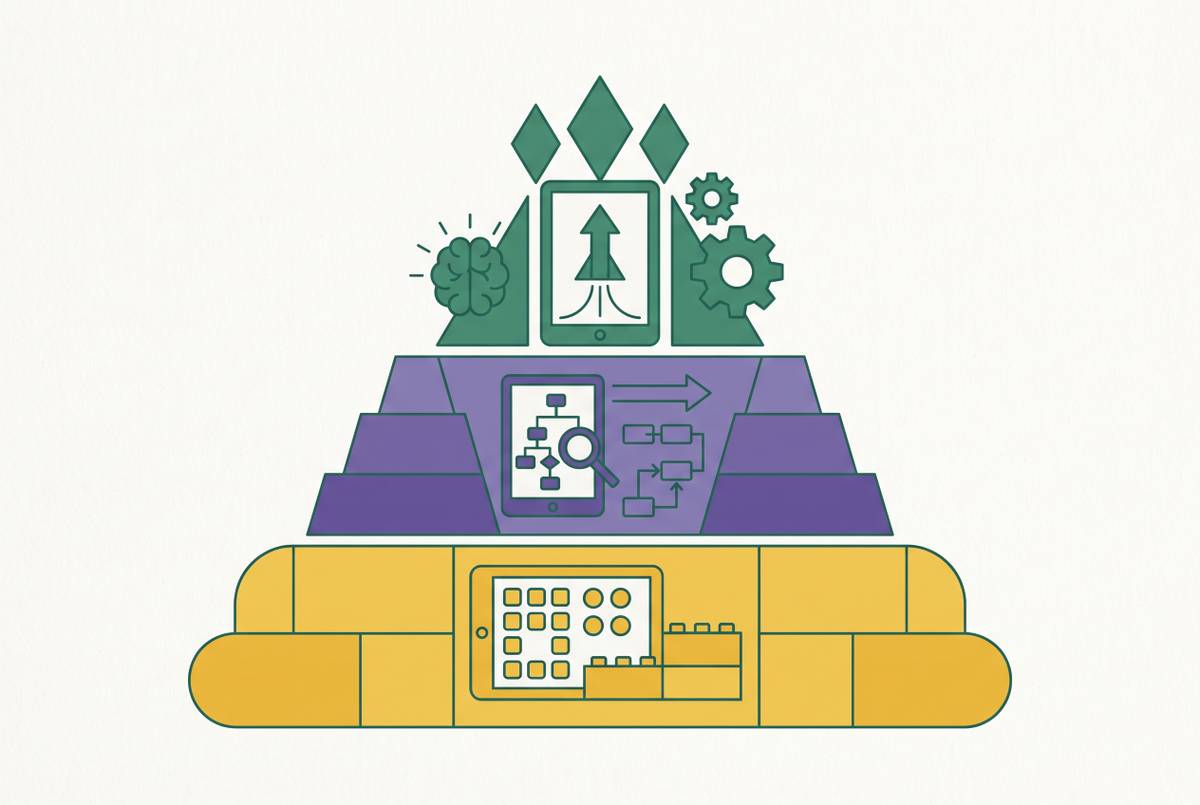
Use the RTI framework to choose apps that match your child's level of instructional need.
Targeted phonological awareness training with rhythm support helps children with ADHD learn to read.
The right app teaches phonics systematically, not just with prettier graphics.